
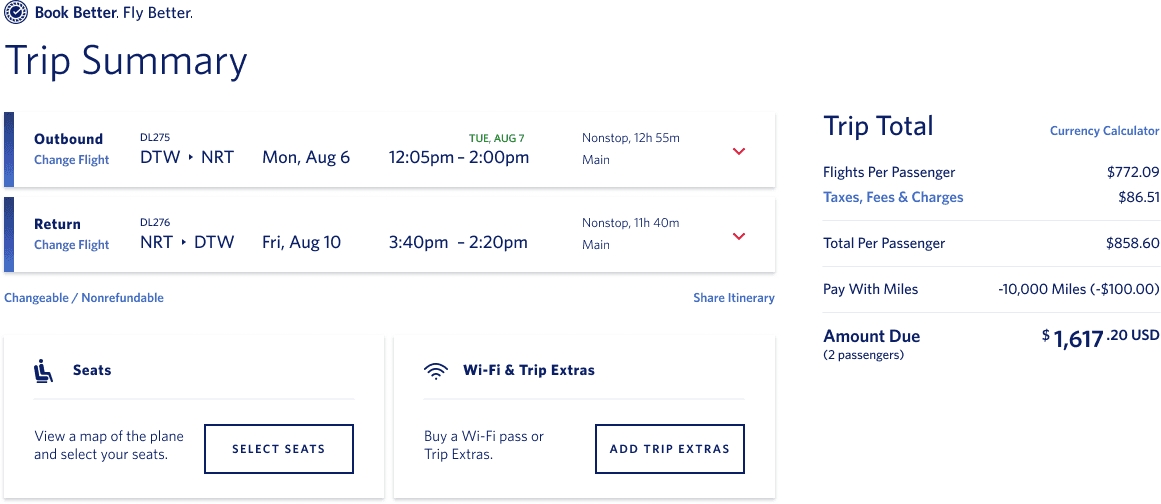
Owned complex checkout & fare implementation
Booking - booking included, calendar integration, payments from all transactional processing types globally.
Baggage & Travel Fees
Certificate & eCredits (Release date end of 2021)
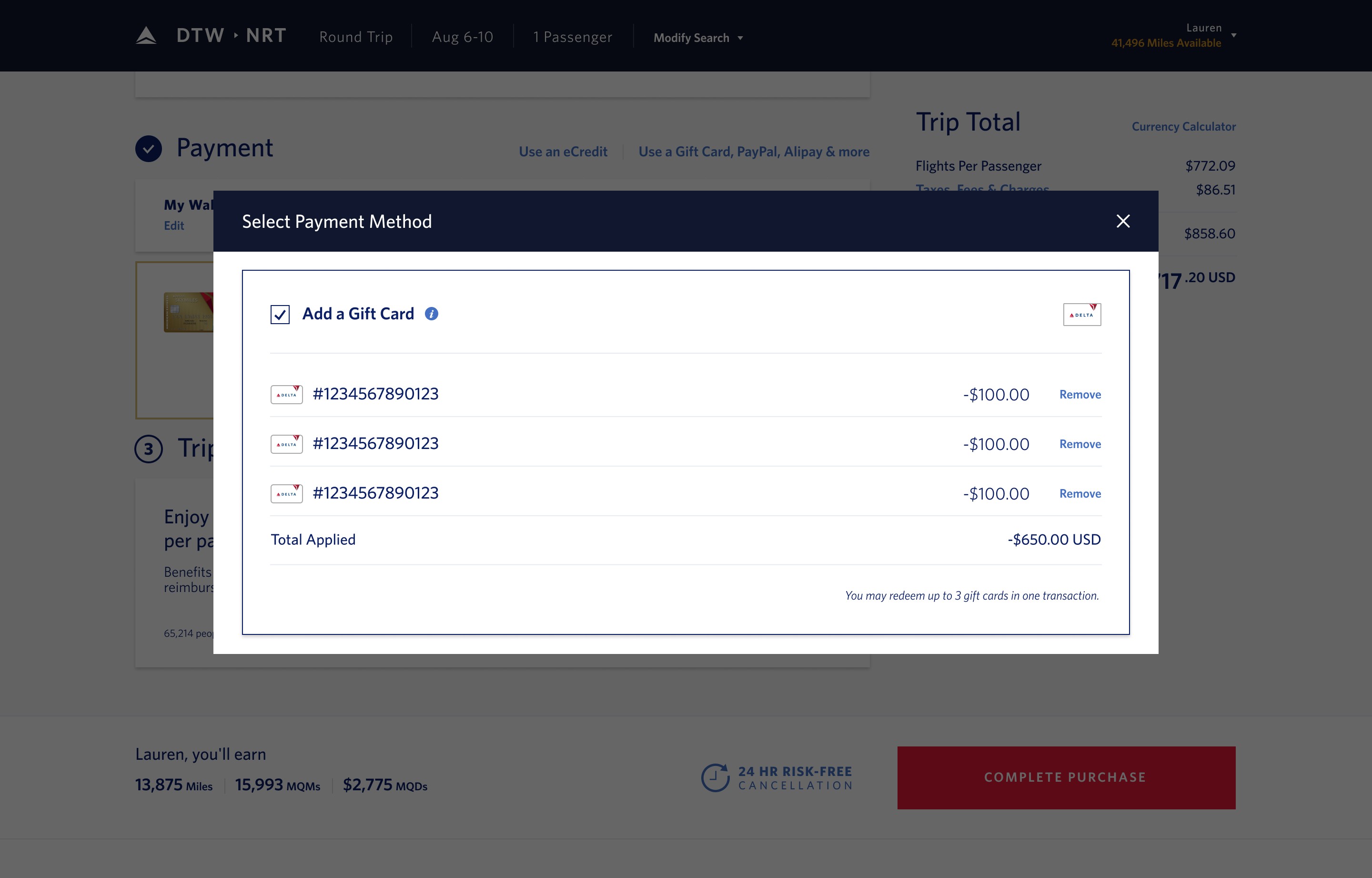
Giftcards (Release date end of 2021)
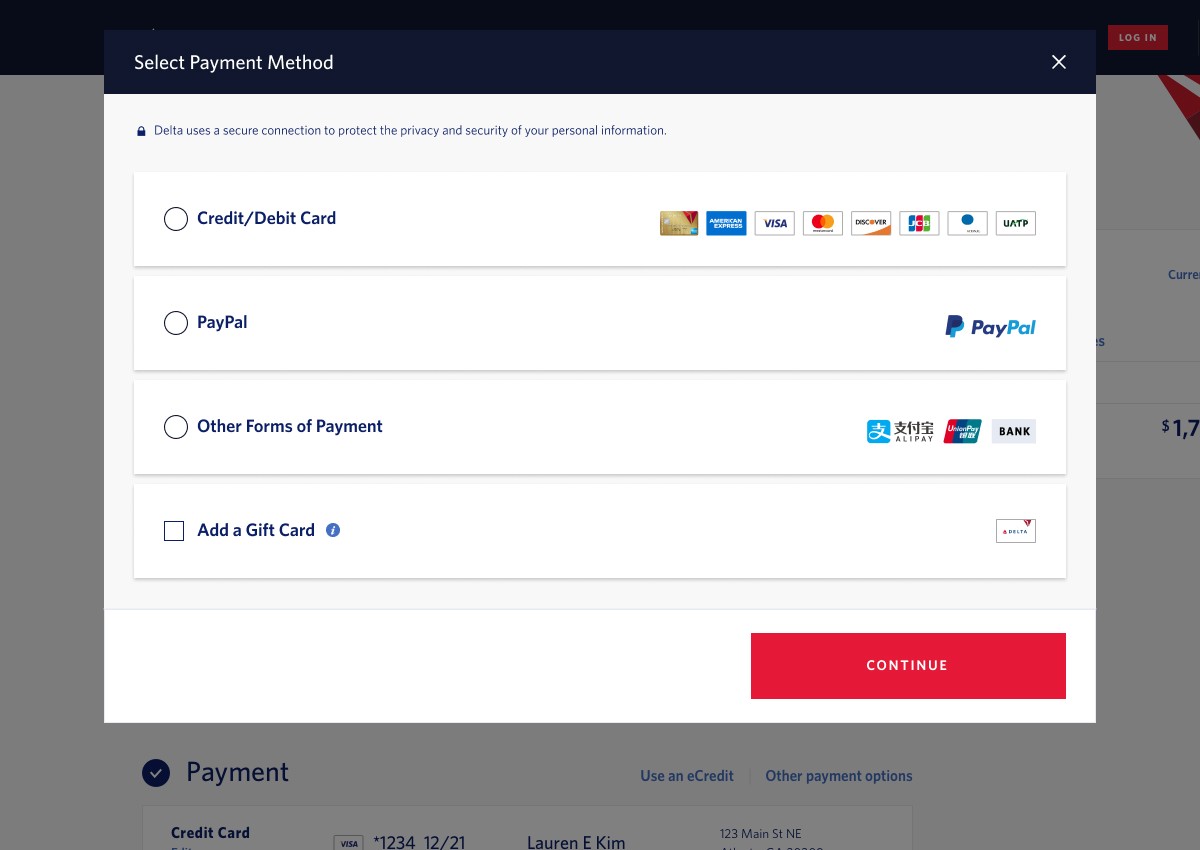
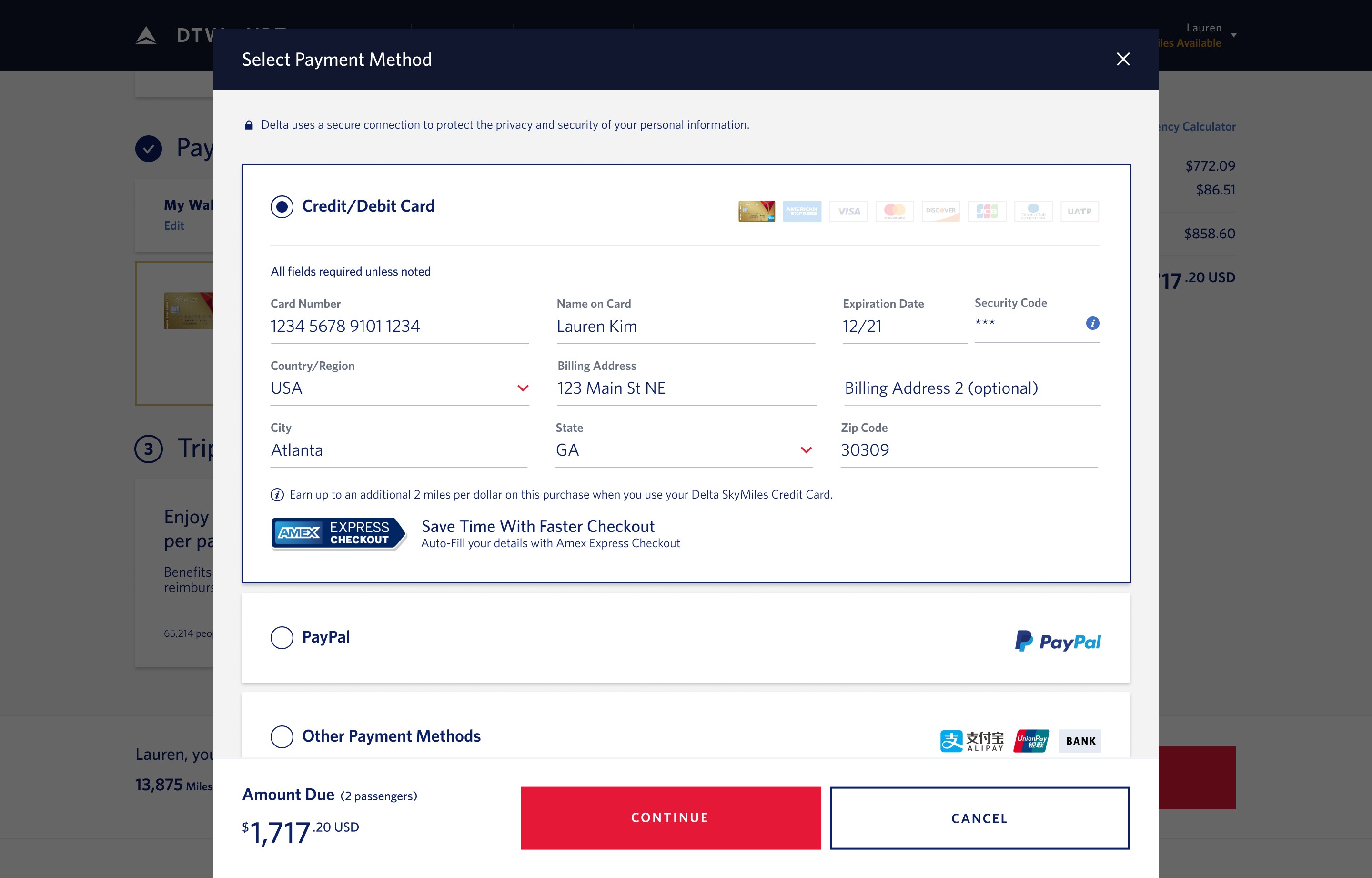
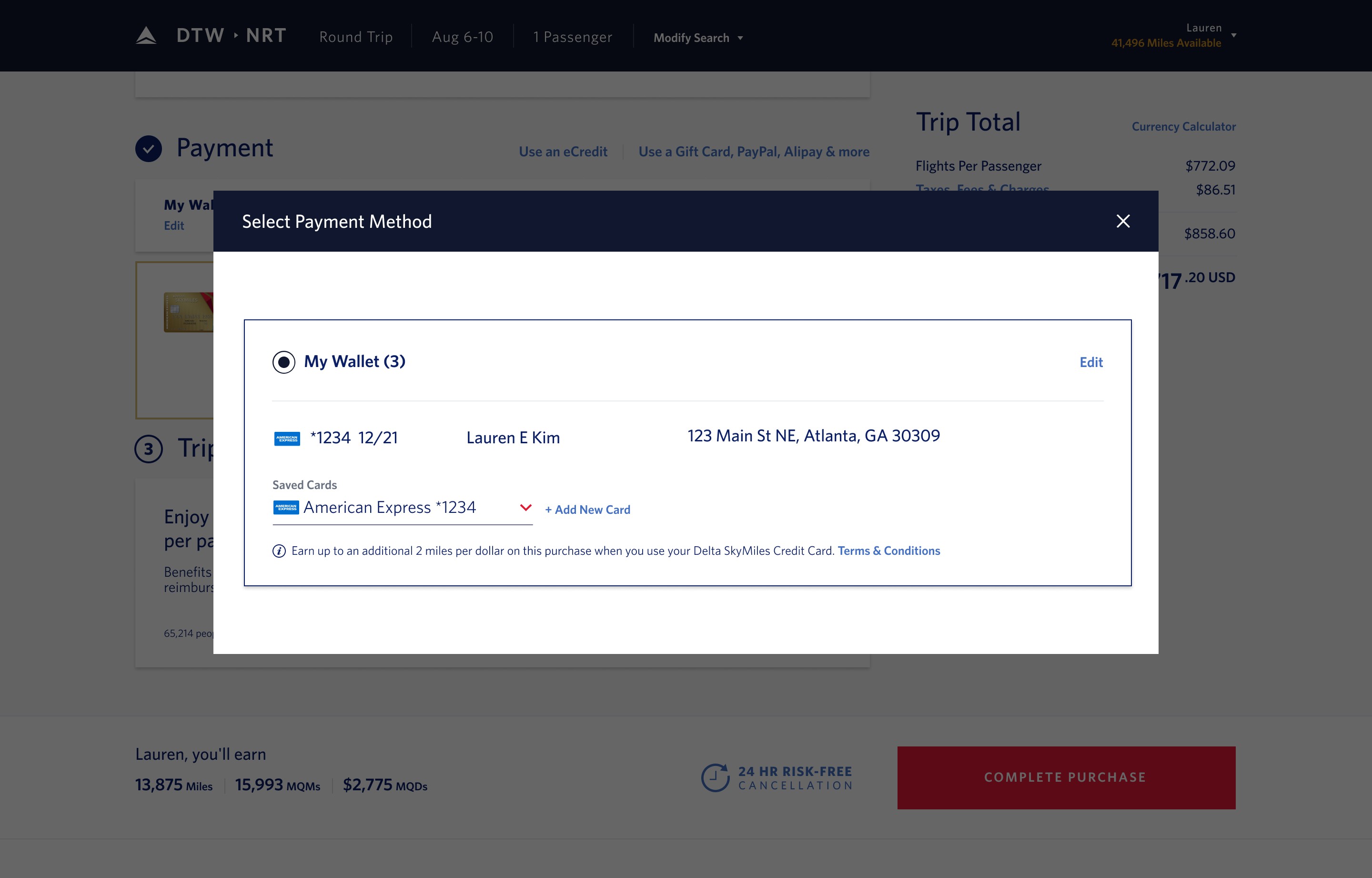
The problem?
Reduce tech debt

Spearheaded StorybookJs initiative by establishing a single source of truth for UI components, ensuring visual and behavioral consistency across products. By documenting, testing, and reusing components in isolation, teams reduce duplication, catch issues earlier, and significantly lower technical debt while accelerating development and design collaboration. Ask me how?
Lead Governance: Defined and maintain the standards, playbooks, and processes that govern ensuring consistency, scalability, and high-quality implementation across web and mobile platforms.Verified compliance with W3C web standards, integrating semantic structure, proper markup, and essential accessibility considerations (WCAG).
Strategic Alignment: Partner with cross-functional leadership in product and engineering to frame complex user problems and translate behavioral data into testable, scalable design solutions.
Architect Payment Flows: Design and scale complex interaction models for multi-step checkout processes, including split payments, co-branded AMEX integrations, and global currency conversions.
Empower the Team: Mentor mid-level and junior designers through constructive critiques, regular feedback sessions, and knowledge sharing to elevate the overall design craft.
Foster Innovation: Influence stakeholders and product teams by presenting clear, evidence-based design rationales that inspire excellence across the organization.
Collaborated closely with developers and QA teams during the development lifecycle to ensure pixel-perfect, defect-free implementation of the UX/UI.
Executed comprehensive testing of HTML and CSS across various web browsers, devices, and screen sizes to guarantee cross-platform consistency.
Verified compliance with W3C web standards, integrating semantic structure, proper markup, and essential accessibility considerations (WCAG).
Conducted rigorous cross-browser testing across Chrome, Firefox, Safari, and Edge to ensure uniform display and functionality.
Addressed and resolved edge cases including text truncation, overflow handling, and dynamic responsive behavior to maintain design integrity.